
Sponsored
Loading sponsor message...
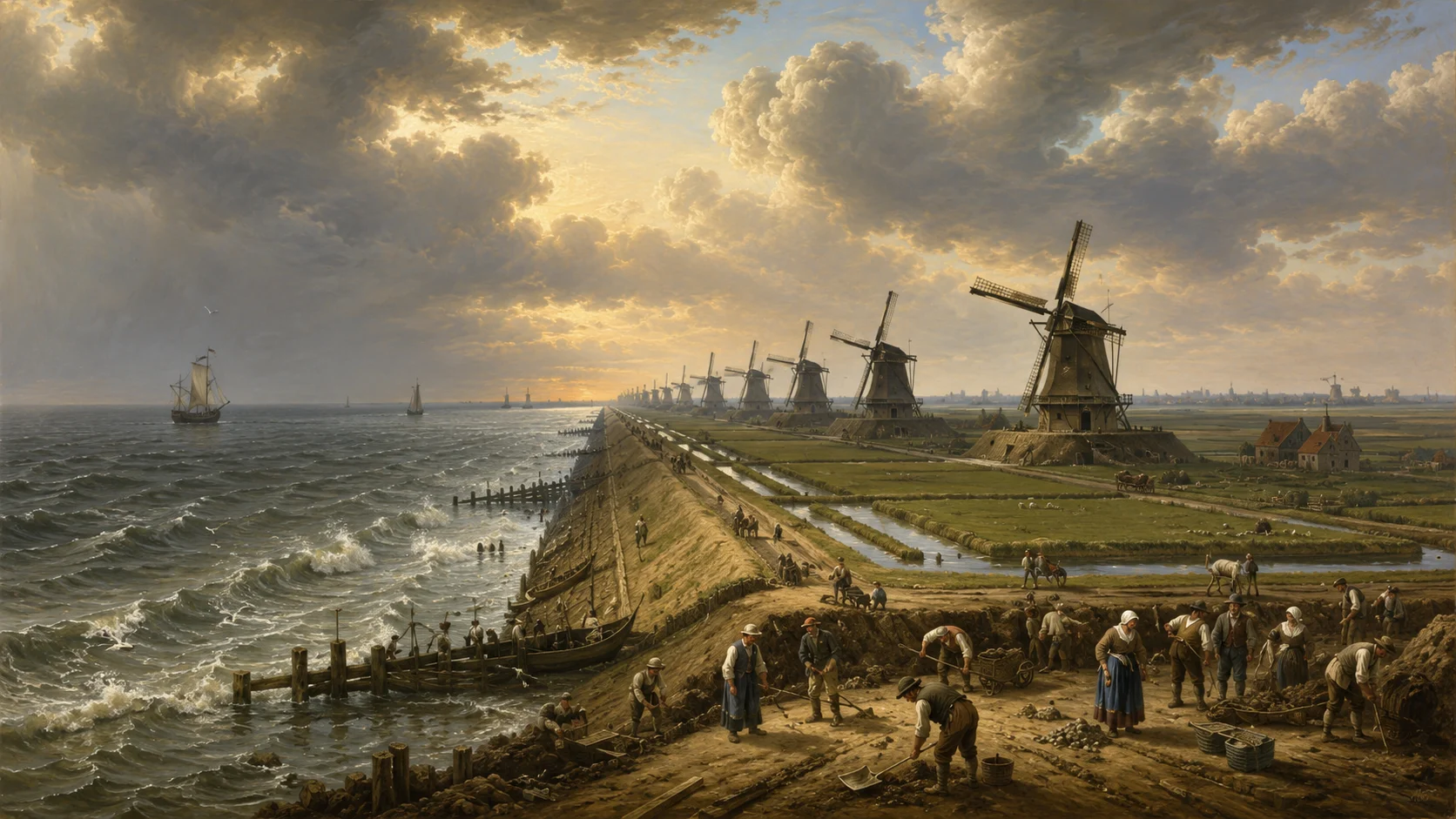
How Dutch engineers reclaimed thousands of square kilometres from the sea, creating new land, cities and opportunities.
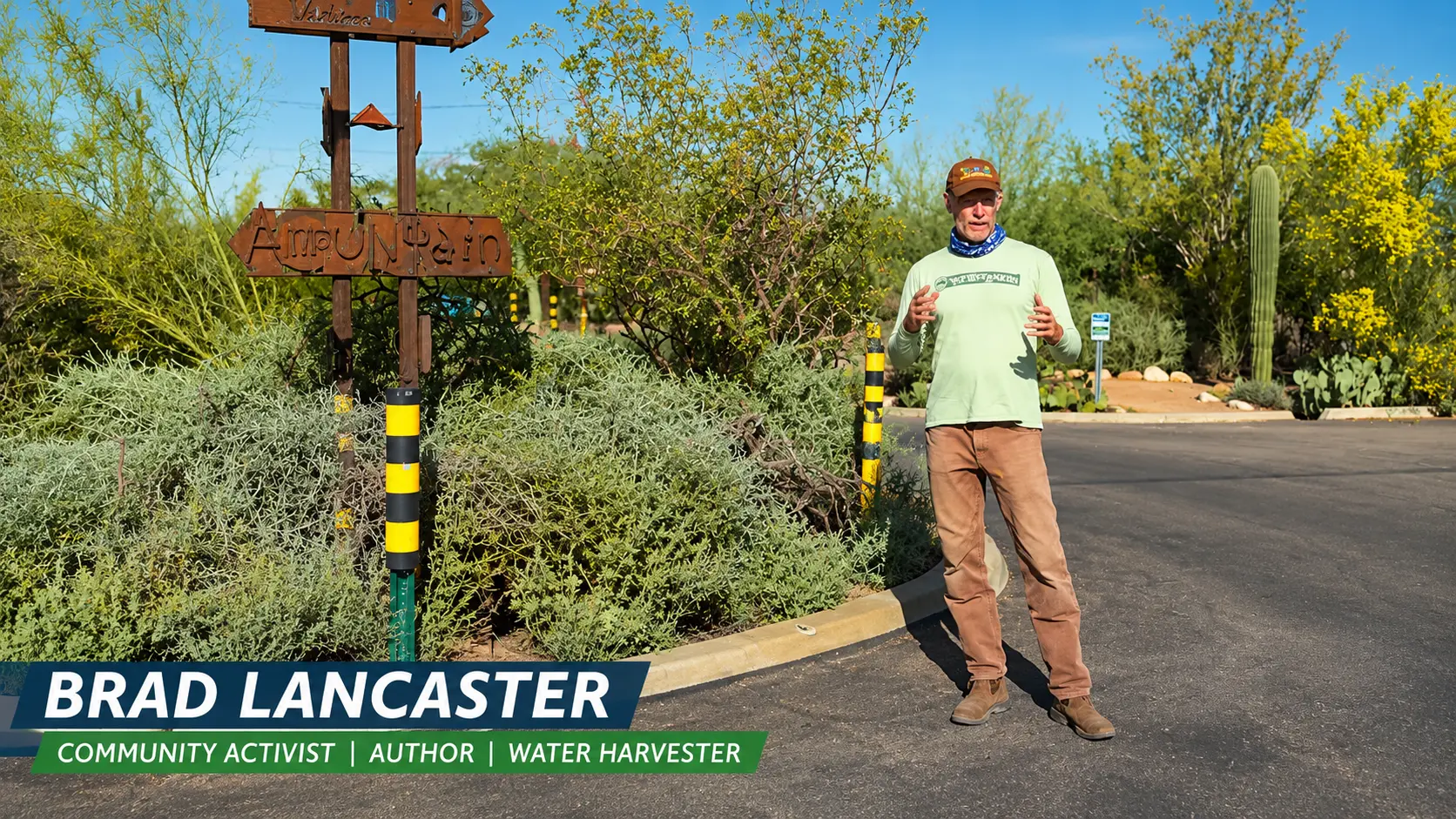
Thirty years ago, environmental advocate Brad Lancaster challenged conventional water management by redirecting stormwater from a roadside curb into the soil outside his home in Tucson, Arizona. What was once considered an unauthorized practice has since evolved into a city-supported model for urban water conservation. Today, Lancaster's neighborhood harvests more than 1 million gallons (3.7 million liters) of stormwater annually, has planted over 1,700 native food-bearing trees, and demonstrates how decentralized rainwater harvesting can reduce water demand, improve urban cooling, and strengthen climate resilience. As drought and water scarcity intensify worldwide, Tucson's transformation offers valuable lessons for cities seeking sustainable solutions.
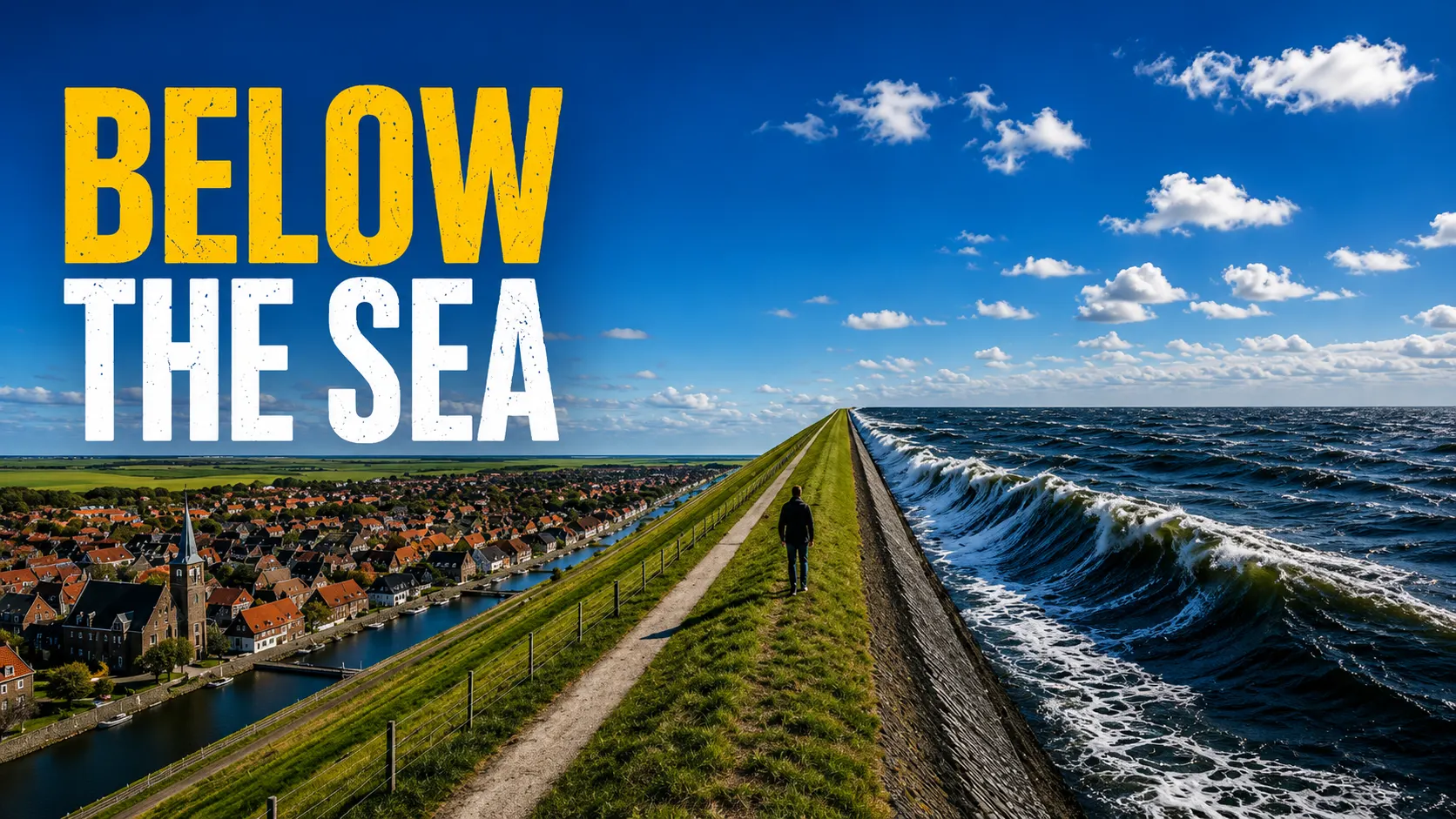
How centuries of engineering helped the Netherlands transform flood-prone marshes into one of the world's safest countries.

Microgravity reshapes astronaut brains within weeks - causing fluid shifts, structural changes, and vision impairment that can persist long after return to Earth.

White House accuses Moonshot AI of copying US AI technology, escalating tensions over intellectual property theft.